
Advisory Board Members
EAPP Governance
Advisory Board
Find out who is a member of the current EAPP Advisory Board and learn more about their roles, research interests, and contributions to the association.
ADVISORY BOARD
Past President
Prof. Dr. J. F. RauthmannLMU Munich (Germany) |
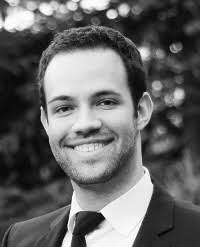 |
John Rauthmann leads the work group “Differential Psychology, Personality Psychology, and Psychological Assessment” at Bielefeld University. He studies the dynamic interplay between persons and environments, or how persons structure and navigate their daily lives, thereby creating niches that may themselves have implications for their personalities and development. He aims to capture person and environment variables with a multi-method approach in the lab and in the field. Rauthmann studied psychology at the University of Innsbruck (Austria), obtained his doctorate and habilitation from Humboldt University of Berlin, and worked as a professor at Wake Forest University (NC, USA) and the University of Lübeck.
ADVISORY BOARD
Ethics
Tabea SpringsteinUniversity of California, Riverside (US) |
 |
Tabea Springstein is an Assistant Professor of Psychology at the University of California, Riverside, where she directs the Emotional Lives Lab. Originally from Germany, she previously obtained her PhD from Washington University in St. Louis. Her research examines individual differences in how emotion and emotion regulation processes unfold across everyday contexts, and how these person-specific patterns relate to well-being and healthy aging among people with different backgrounds and life experiences. Her lab uses intensive longitudinal methods, including experience sampling and passive sensing, to investigate these questions in daily life.
ADVISORY BOARD
Early Career Representative
Le Vy Phan, M.Sc.Bielefeld University (Germany) e-mail: |
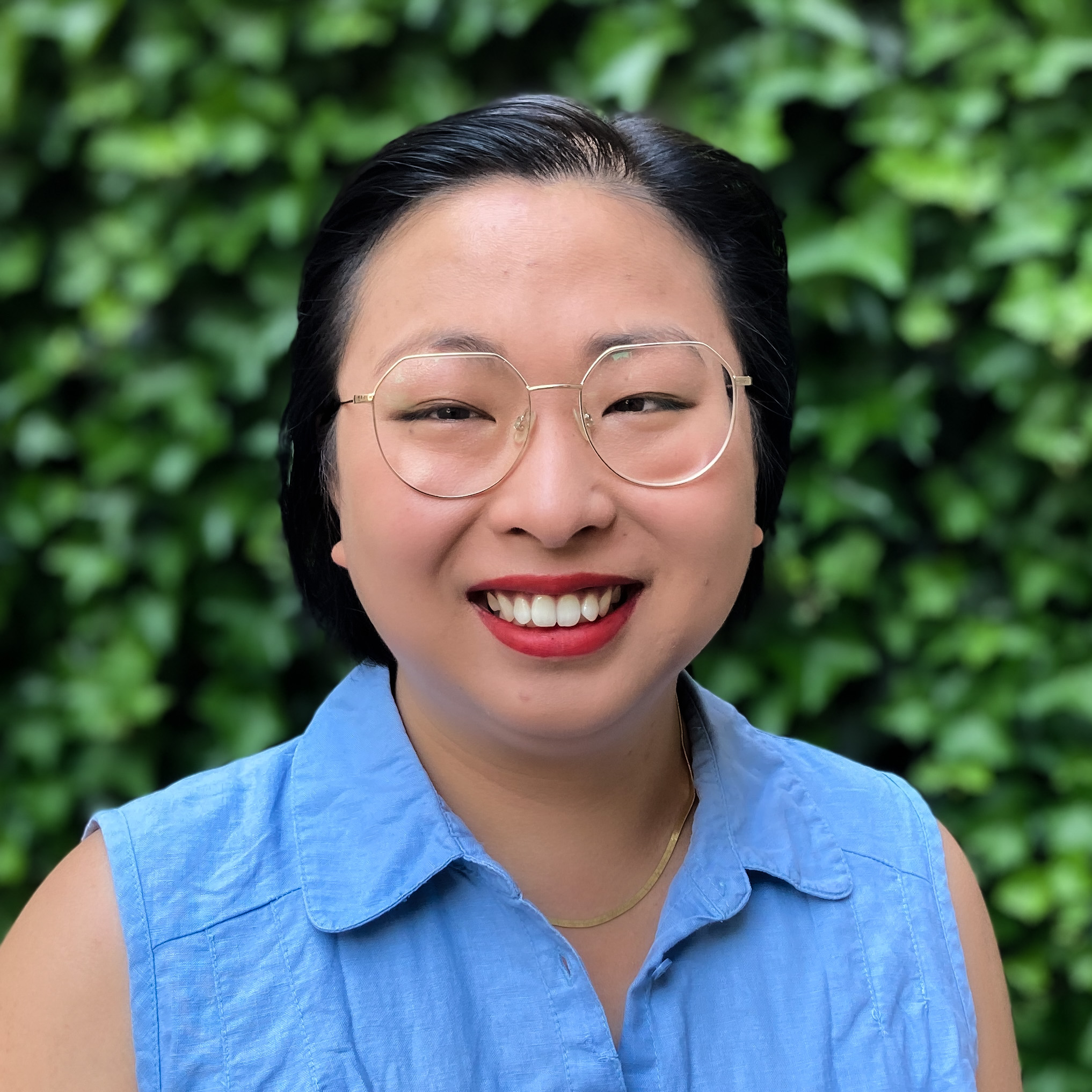 |
Le Vy Phan is currently pursuing her PhD at Bielefeld University in Germany. In 2023, she assumed the role of Early Career Representative within the EAPP Executive Committee, alongside Tobias Ebert. In this capacity, Le Vy is committed to actively fostering community building within the EAPP and facilitating increased engagement of Early Career Researchers to better address their specific needs. She is passionate about promoting scientific integrity and advancing diversity and inclusion in the field. Le Vy’s research primarily revolves around theoretical aspects in personality psychology. Her research interests encompass a broad spectrum of topics, including the theoretical foundations of personality dynamics, the conceptualization of different types of behavioral consistencies, and the exploration of circumstances, methodologies, and rationales involved in drawing specific inferences from research outcomes. Additionally, Le Vy is also interested in the conceptual underpinnings of personality computing and exploring the responsible and practical utilization of technological advancements as tools for addressing research questions in personality psychology.
Dr. Tobias EbertUniversity of St. Gallen in Switzerland (Switzerland) e-mail: |
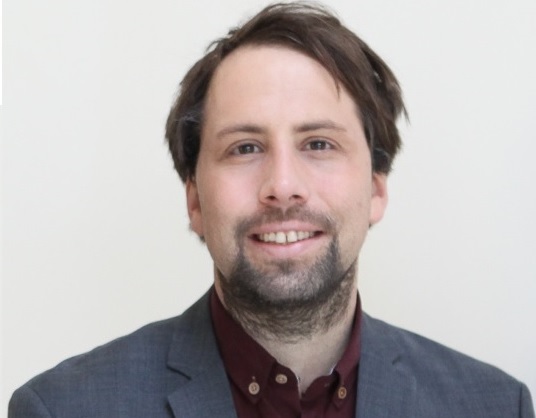 |
Tobias is an assistant professor at the University of St. Gallen in Switzerland. His academic journey includes stops at the University of Cambridge (master’s in 2016), the University of Mannheim (Ph.D. in 2020 and Post-doc), and Columbia University in New York (Post-doc). In 2023, Tobias joined the EAPP as Early Career Representative together with Le Vy Phan. In this role, Tobias seeks to contribute towards EAPP’s mission for open and inclusive personality research, to support students from underprivileged backgrounds, and to foster interdisciplinary exchange. Tobias’ research focuses on spatial variation in personality, the economic relevance of such variation, and the impact of cultural contexts on well-being and behavior. To study these questions, he uses large-scale data from various sources (e.g., online surveys, digital footprints, historical archival data) and diverse modeling approaches (e.g., longitudinal modeling, psychometrics, spatial analytics).
ADVISORY BOARD
Diversity Officer
Dr. Maria-Jose Sanchez-Ruize-mail: mj.sanchezruiz@googlemail.com |
 |
Maria-Jose Sanchez-Ruiz is a Ramón y Cajal Researcher in the Department of Personality,
Assessment, and Psychological Treatment at the Universidad Nacional de Educación a
Distancia (UNED) in Spain. She obtained her PhD in Psychology from the Universidad
Autónoma de Madrid, conducting much of her doctoral research at the Institute of Education
and University College London (UCL). Before joining UNED, she spent more than a decade
at the Lebanese American University, where she built an international research network that
she continues to maintain. Her work in Lebanon led to an evidence-based, culturally adapted
emotional intelligence intervention for vulnerable adolescents in public schools. She has also
collaborated with international organizations on mental health initiatives for Syrian refugees.
At UNED, she contributes to the dissemination and application of emotional intelligence and
leadership research. More broadly, Maria-Jose’s research examines trait emotional
intelligence and character strengths as protective factors against psychopathology and
promoters of well-being and positive adjustment. A central aim of her work is to bridge
research and practice by translating findings from personality and individual differences into
evidence-based interventions and training across diverse cultural contexts.